
The hospitality industry has shifted. Travelers who once valued consistency and brand recognition are now seeking something different – properties with character, stays that feel intentional, and experiences rooted in the places they visit. Boutique hospitality is not a trend. It is a fundamental change in what guests expect from where they stay. And for operators who understand this shift, it represents one of the most compelling opportunities in the hotel industry today.
Mahbod Group recognized this early. Through M11 Collection, its dedicated hospitality platform, the company operates and manages boutique hotels and curated accommodations across Montreal, Miami, Tulum, and Mykonos – each property reflecting the character of its location while delivering the quality guests expect.
What Defines Boutique Hospitality?
Boutique hospitality is built on a few core principles that separate it from traditional hotel models.
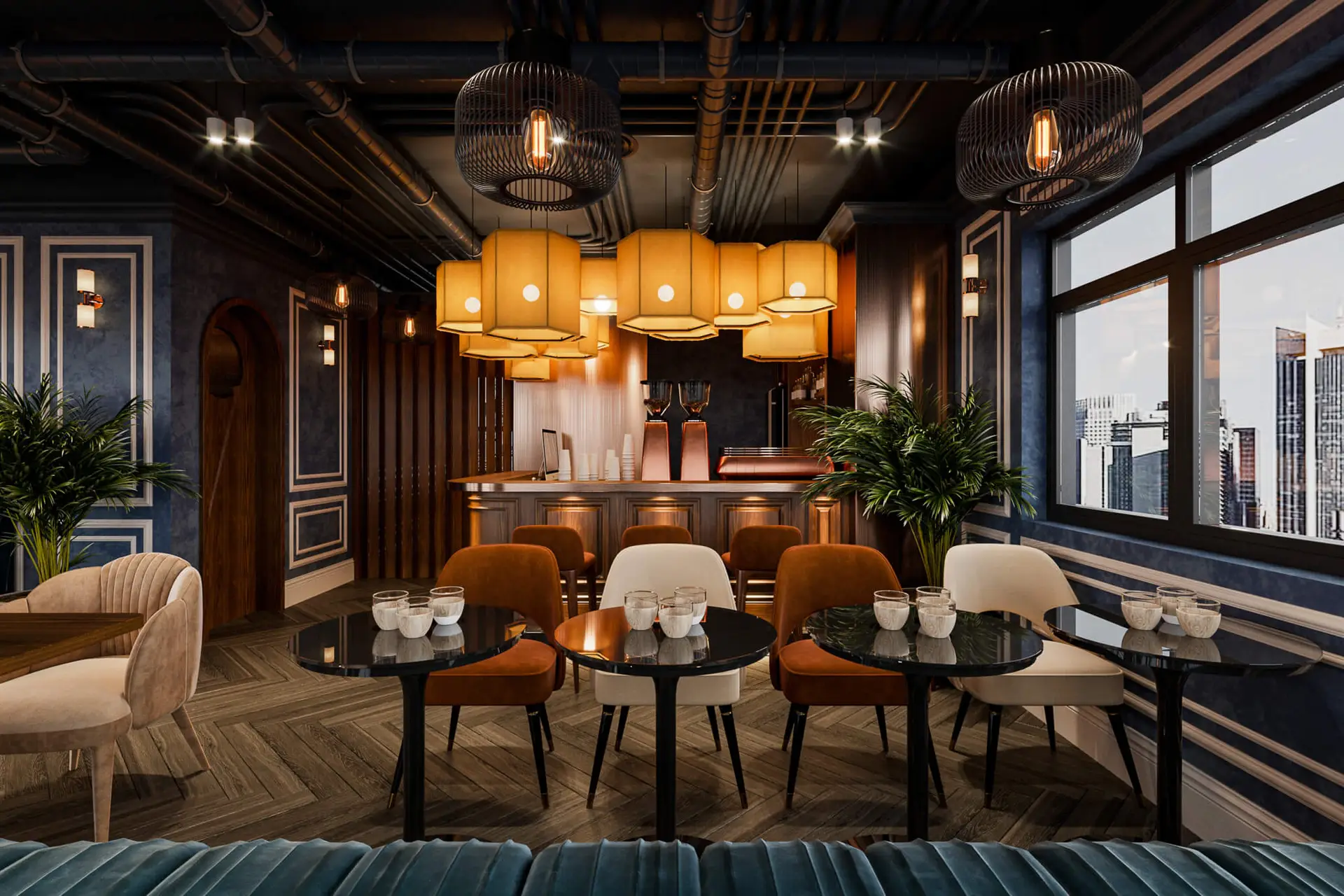
Design is not decorative – it is the product. In a boutique property, the physical space is part of the experience. Architecture, interiors, lighting, and layout are not afterthoughts. They are carefully considered to create an atmosphere that feels distinctive and intentional. Guests notice the difference between a room that was designed and one that was furnished from a catalog.
Scale stays intentional. Boutique hotels are typically smaller – anywhere from 5 to 100 keys. This is not a limitation. It is a strategic choice. Smaller properties can deliver more attentive service, create a stronger sense of place, and maintain a level of quality that becomes difficult to sustain at scale. Every guest interaction matters more when there are fewer of them.
Local character is a feature, not a constraint. The best boutique hotels do not feel interchangeable. A property in Montreal’s Plateau should feel different from one in Tulum or Mykonos – not just in climate, but in design references, service style, and the way it connects guests to the surrounding neighborhood. This sense of place is what turns a stay into a memory.
Operations drive the experience. Design gets guests in the door. Operations keep them coming back. Boutique hospitality requires disciplined property management – revenue optimization, maintenance, staffing, guest communication, and platform management – executed at a high level despite smaller team sizes.
Why Travelers Are Choosing Boutique Over Big-Box Hotels
The shift toward boutique hospitality is driven by several converging factors.
The rise of experience-driven travel. Modern travelers – particularly millennials and Gen Z – prioritize experiences over amenities. They would rather stay in a thoughtfully designed 17-room hotel on a quiet Montreal street than a 400-room tower with a generic lobby. Social media has amplified this: travelers share spaces that feel unique, which drives further demand for distinctive properties.
Remote work has changed trip patterns. With more professionals working remotely or on hybrid schedules, trips are getting longer. A three-night city break becomes a two-week working stay. For extended visits, guests want accommodations that feel like a home – not a hotel corridor. Boutique properties and curated suites deliver this better than conventional hotels.
Trust in independent operators is growing. Platforms like Airbnb normalized the idea of staying in independently managed properties. Travelers are now comfortable booking outside major hotel chains, especially when reviews, photography, and brand presentation signal quality. Professional boutique operators benefit from this shift because they combine the independence guests want with the reliability they need.
Authenticity cannot be manufactured at scale. Large hotel chains have attempted boutique-style sub-brands, but the results often feel like corporate interpretations of authenticity. Travelers can tell the difference. A locally operated boutique property with genuine ties to its neighborhood will always outperform a chain hotel dressed in boutique clothing.
How M11 Collection Operates Across Global Markets
M11 Collection is Mahbod Group’s hospitality arm, managing a portfolio of boutique hotels and curated stays across four countries. The operational approach adapts to each market while maintaining consistent quality standards.
In Montreal, the portfolio includes Le Mile End Hotel (16 units), Mont-Royal Suites (24 units), Le Cavalier du Moulin (17 units), and Royal Parc (5 units). Each property serves a different guest profile – from tourists exploring the Plateau to business travelers needing extended-stay suites – but all share a commitment to design, cleanliness, and responsive guest service.
In Miami, the Abbey Hotel (50 keys) brings boutique hospitality to one of North America’s most competitive hotel markets. Operating in Miami requires understanding seasonal demand patterns, luxury guest expectations, and the logistics of managing a larger property in a high-cost market.
In Tulum and Mykonos, M11 Collection manages villa properties – 2 villas in Tulum and 9 in Mykonos. Villa management is operationally distinct from hotel management. Each unit operates independently, guest expectations skew toward privacy and exclusivity, and the logistics of maintaining properties in resort destinations require local expertise and reliable ground teams.
Managing across these markets is what distinguishes a hospitality platform from a single-property operator. The systems, standards, and operational discipline that work in Montreal must be adapted – not abandoned – for Miami, Mexico, and Greece.
The Business Case for Boutique Hotel Investment
For investors and partners evaluating the hospitality sector, boutique properties offer a compelling financial profile.
Higher average daily rates (ADR). Boutique hotels consistently command rate premiums over comparable conventional properties. Guests pay more for design, atmosphere, and personalized service. In competitive markets, a well-positioned boutique property can achieve ADRs 20 to 40 percent above market average.
Stronger guest loyalty and direct bookings. Boutique properties build brand affinity more effectively than chain hotels. Guests who have a memorable stay at an independent hotel are more likely to book directly on return visits, reducing reliance on OTA commissions that erode margins.
Lower capital requirements than ground-up hotel development. Many boutique hotel projects – including Mahbod Group’s upcoming 60-key lifestyle hotel – involve converting existing commercial buildings rather than constructing new ones. Adaptive reuse reduces development costs while creating properties with architectural character that new construction cannot replicate.
Resilience during market downturns. During economic slowdowns, luxury and budget segments tend to contract while the midscale boutique segment holds relatively steady. Travelers still want quality – they just become more selective. Properties that deliver genuine value through design and experience retain guests better than those competing purely on price or brand name.
Frequently Asked Questions About Boutique Hospitality
What makes a hotel “boutique”?
There is no single definition, but boutique hotels are generally characterized by smaller scale (under 100 keys), distinctive design, personalized service, and a strong sense of place. The key differentiator is intentionality – every element of the guest experience has been deliberately considered.
Are boutique hotels more expensive than chain hotels?
Not always. While some boutique properties position in the luxury segment, many operate at mid-market price points. The value proposition is not about price – it is about the quality and distinctiveness of the experience relative to what you pay.
How does M11 Collection maintain quality across different countries?
Through standardized operational systems – guest communication protocols, housekeeping standards, maintenance schedules, and revenue management practices – that adapt to local market conditions. The standards are consistent; the execution is locally informed.
Is boutique hospitality a good investment?
For operators with the right expertise, yes. Boutique properties can generate strong returns through rate premiums, direct booking advantages, and lower development costs via adaptive reuse. The key risk factor is operational execution – boutique hospitality requires hands-on management, not passive ownership.
The hospitality industry is not going back to a world where uniformity and scale win by default. Travelers want properties that feel real – places designed with care, operated with expertise, and connected to the cities and neighborhoods they sit in.
For Mahbod Group, this is not just a market insight. It is the operating philosophy behind M11 Collection and every hospitality project in the pipeline – including a 60-key boutique lifestyle hotel currently in development for a 2027 opening.
The future of hospitality belongs to operators who treat every property as a product worth perfecting.